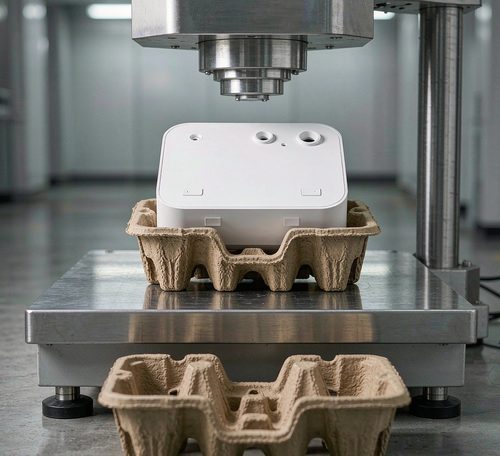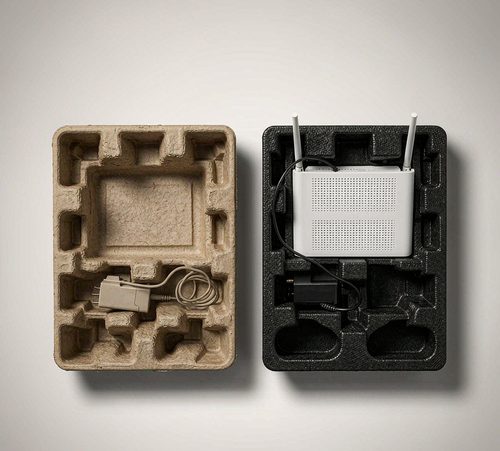

The growing preference for paper trays over plastic foam reflects a simple reality: paper trays do the job better. As environmental protection awareness increases and paper technology progresses, the small and medium products that once used foam liners are being packaged in paper trays with excellent results.
Flame retardance is a defining advantage of paper trays. Green flame retardant layers and high quality treated paper give the trays the ability to resist fire. This safety feature protects goods and reduces risk in warehouses and transit.
Water resistance is another advantage that sets paper trays apart. High quality trays are manufactured with moisture resistant properties, ensuring that packaged products remain dry. This is essential for goods that are damaged by humidity, including electronics, textiles and processed foods.
Anti-static properties make paper trays particularly valuable in the electronics industry. Unlike foam, which generates static through friction, paper trays do not accumulate electric charge. Sensitive components remain safe from electostatic discharge during packaging, storage and transport.
The structural benefits of paper trays are equally compelling. The molding process creates trays that fit products precisely, providing superior cushioning and preventing movement. The material is strong, durable and capable of supporting stacked loads. The manufacturing process is cost effective, and the finished products are recyclable and biodegradable. These advantages, taken together, explain why paper trays have become the material of choice for environmentally responsible packaging.