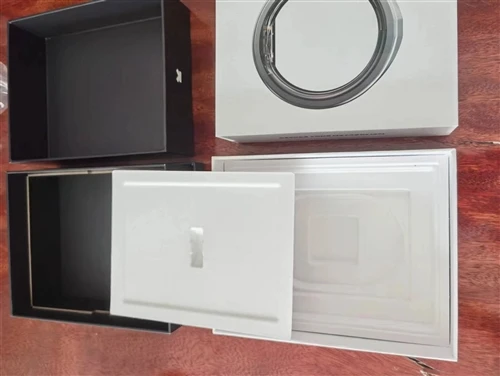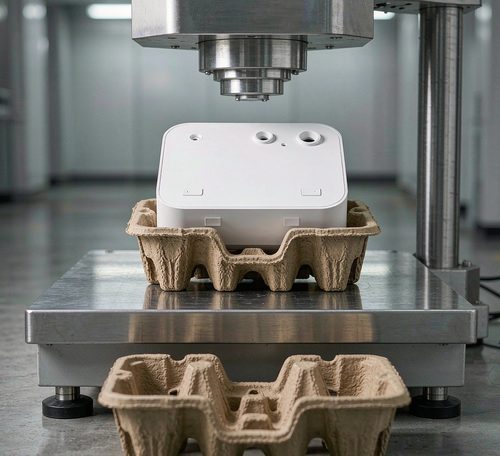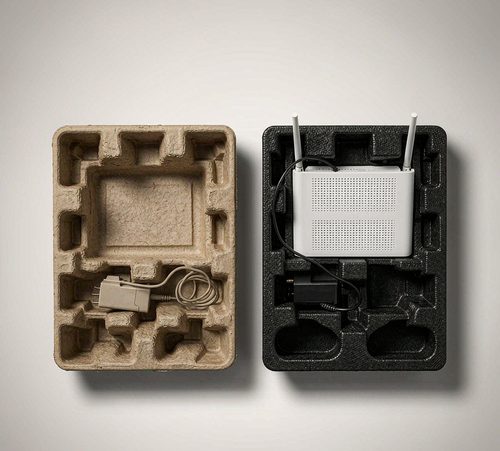

Paper tray lined packaging offers unique properties that set it apart from other packaging materials, and these features are the reason for its expanding adoption. The most fundamental is the use of recycled waste paper, a material choice that supports both environmental responsibility and cost control.
A hallmark of the product class is its certification. Trays are produced under the ISO9001 quality assurance system and the ISO14001 environmental management system. They pass SGS quality inspection standards and satisfy the technical indicators required by ROHS, giving buyers confidence that the packaging is both reliable and safe. Waterproof treatment is available, protecting trays and their contents in moist conditions.
The supply situation is a practical strength. Waste paper for pulp molding is plentiful, as it is generated continuously across the economy. This abundant and continuous supply protects manufacturers from the cost volatility and shortages that can affect other packaging materials. The production process itself produces no pollution, adding to the material's sustainability.
On the operational side, paper tray lined packaging is designed for efficiency. Products can be stacked and nested in compact configurations, greatly reducing the space required for storage and transport. Less space means lower warehousing expenses and cheaper shipping, benefits that compound across large order volumes.
The unique combination of certified quality, waterproof capability, dependable supply, clean manufacturing and stackable design makes paper tray lined packaging a strong performer. It satisfies regulatory and quality requirements while delivering measurable cost savings, which is why it continues to gain ground in modern packaging.