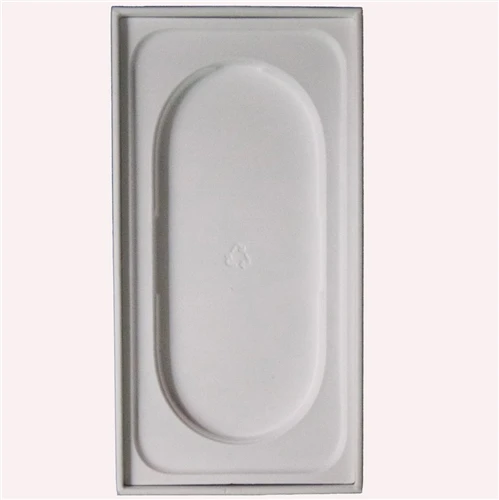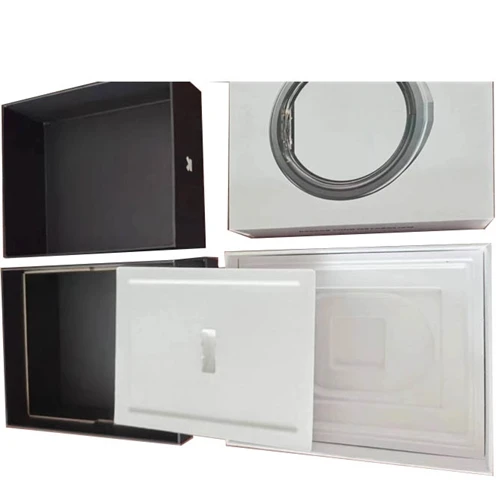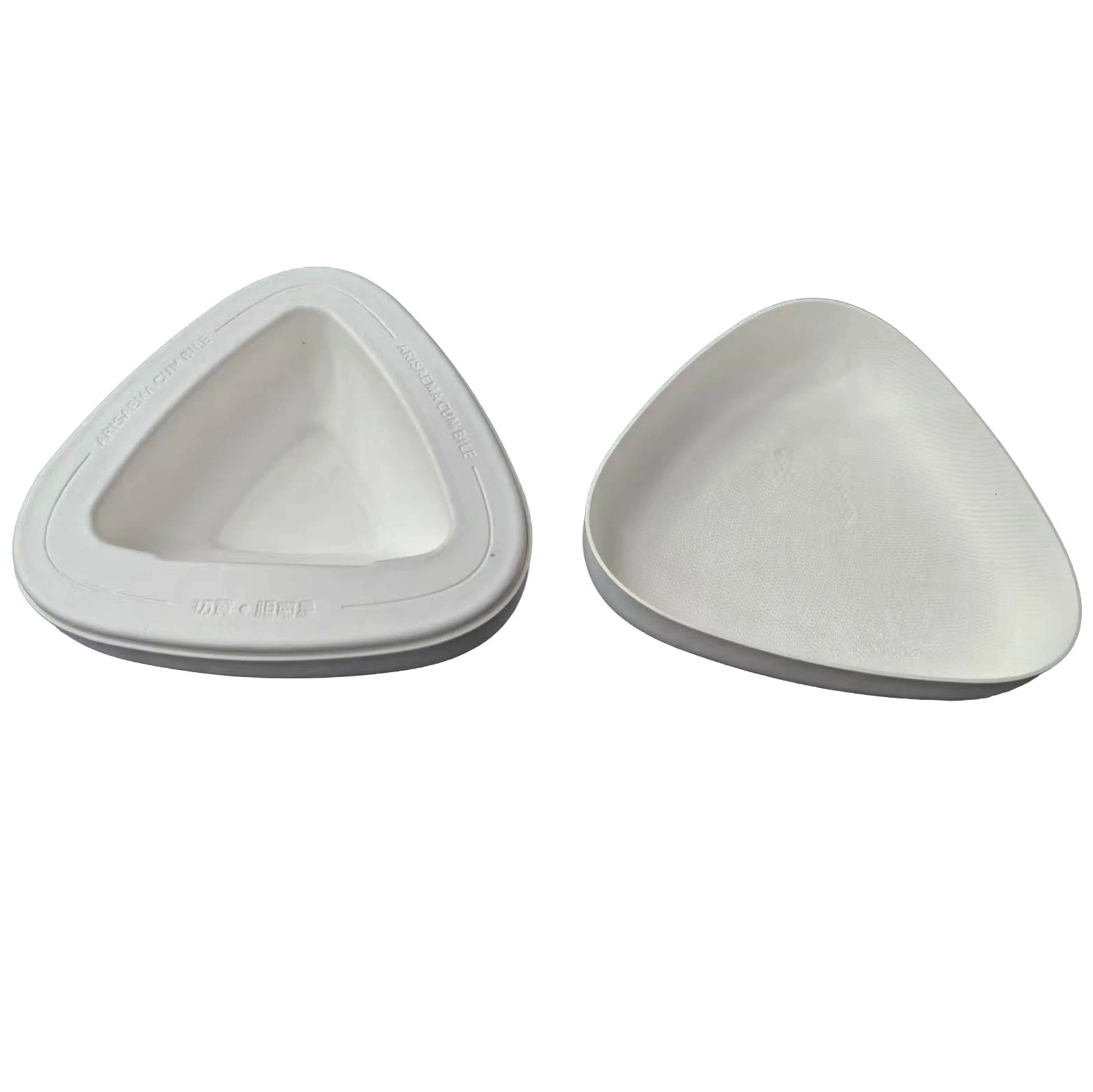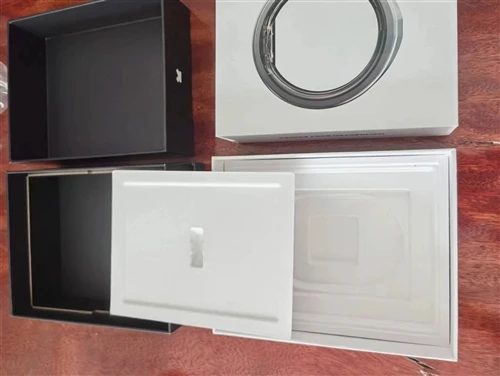

The craft of pulp molding turns simple recycled paper into sophisticated protective structures. These products serve as cushioning packaging across industries, prized for being biodegradable, recyclable and environmentally responsible.
At the core of this craft is the relationship between structure and performance. The cushioning ability of a pulp molded product is determined by its structural parameters: the shape of the mold, the distribution of material, the configuration of ribs and walls. Each design decision affects how the product absorbs and dissipates impact forces.
The science of pulp molded cushioning is built on simulation and experiment. Simulation analysis uses computational models to predict how structures behave under load, allowing designers to explore many configurations without building physical prototypes. Experiments complement this by testing real products, measuring their performance under controlled impact and vibration conditions.
The field of study encompasses multiple dimensions. Mechanical parameter testing characterizes the material's strength, stiffness and damping properties. Structural optimization explores how design changes improve performance. Reliability analysis examines how packaging performs across the full range of transport conditions.
These studies have direct engineering value. They enable the design of packaging tailored to specific products, balancing protection with material efficiency. They support the prediction of packaging reliability, helping manufacturers avoid damage claims and customer dissatisfaction. They advance the craft of pulp molding itself, demonstrating that recycled paper can be engineered into packaging that protects goods as effectively as synthetic materials.