
一, Core Material Characteristics: The "Buffer Password" of Natural Fibers
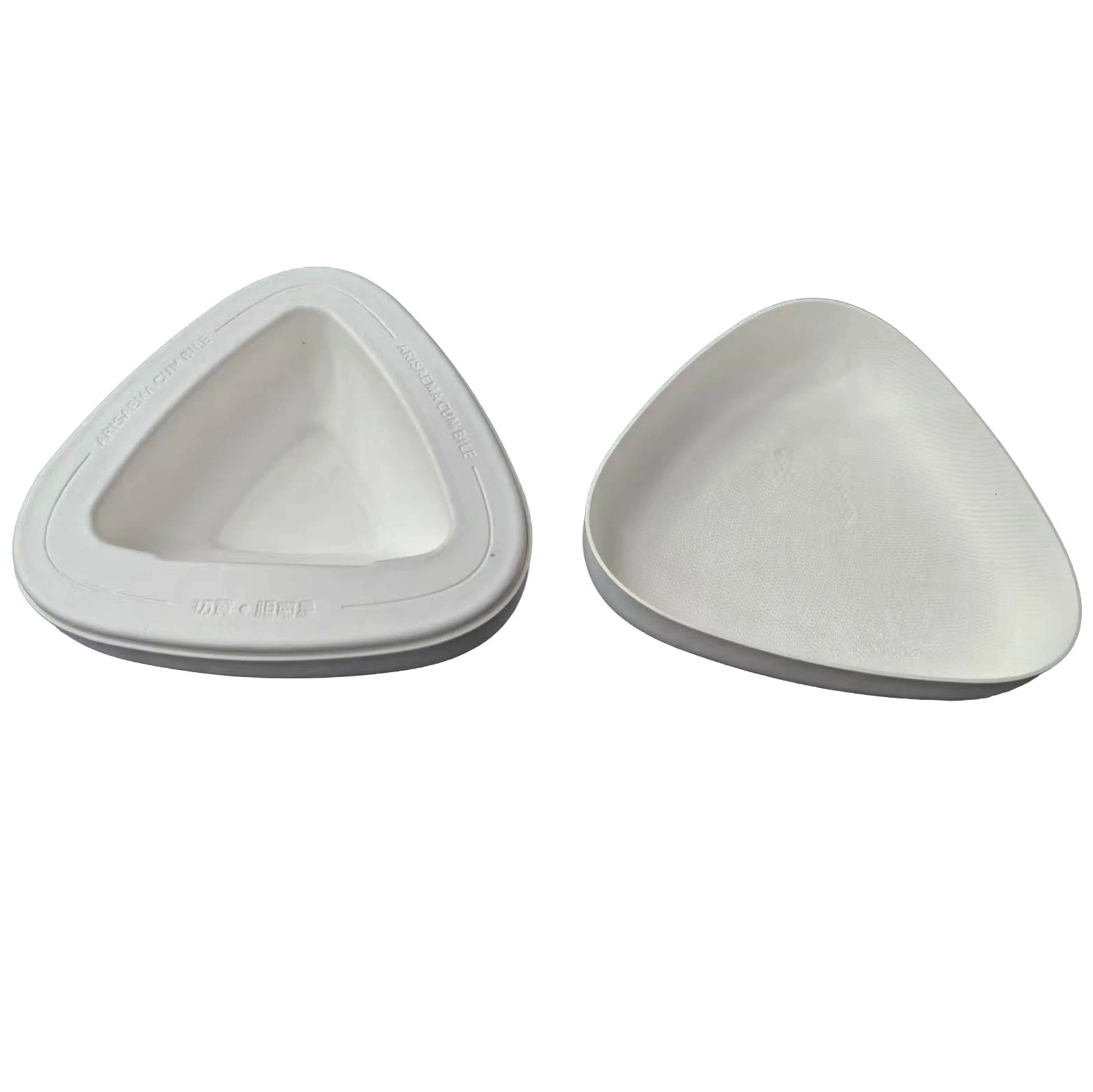
There are three primary types of raw materials for molded pulp: agricultural waste, plant fibers that develop quickly, and recycled pulp. The length, flexibility, and amount of impurities in the fibers of different raw materials have a direct effect on how well they can buffer and how well they can be processed. Because electronic products are so precise and easy to break, the following three categories of raw materials are preferred:
1. Sugarcane bagasse pulp is the best all-around performer with the best overall performance.
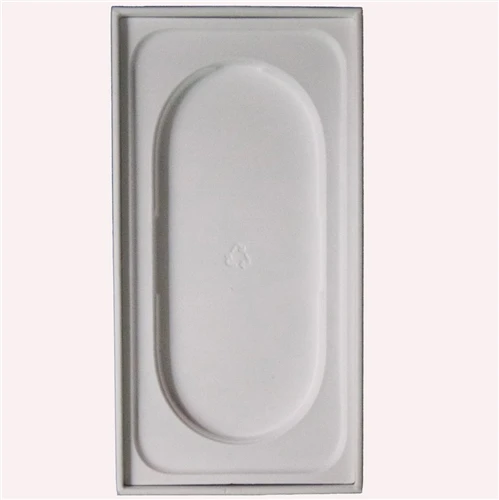
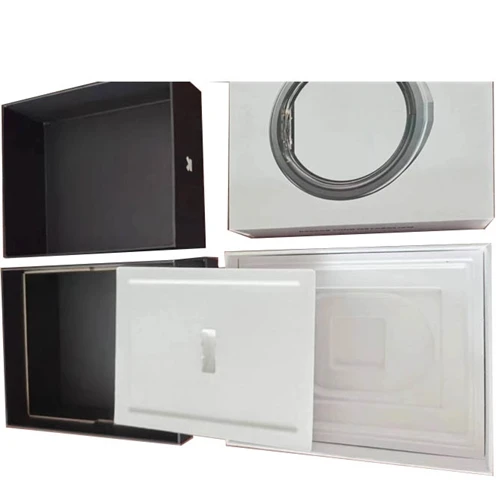
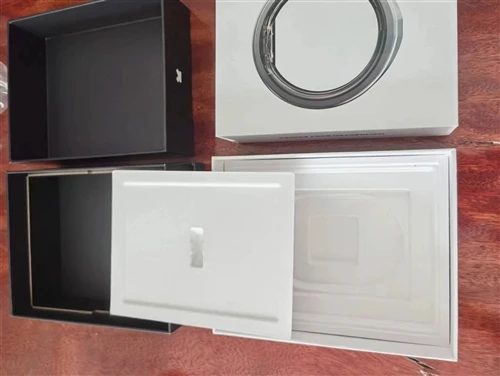
Sugarcane bagasse pulp is created from things that are left over from making sugar. Its fibers are medium to long, which means they are strong and tough in a balanced way. Tests have shown that molded items made from sugarcane bagasse can withstand up to 50 kg/m² of pressure and have a surface that is almost as smooth as plastic. It can be utilized directly as an inner lining for high-end phone holders and headphone cases, which are examples of precision electronic devices. Apple's iPhone packaging, for instance, now uses molded trays made from sugarcane bagasse. These trays have a layered design that boosts the capacity of a single container by 25%. At the same time, they use IP67 waterproof coating technology to make sure that electronic products don't get wet.
2. Bamboo pulp: a "customized expert" for fibers with a lot of strength
Bamboo fiber is longer than coniferous wood but shorter than broad-leaved wood. Its distinctive "hollow structure" gives it a great ability to absorb energy. Bamboo pulp is typically blended with sugarcane bagasse in a 3:7 ratio to make a three-dimensional buffering network by weaving the fibers together. This is common in electrical product packaging. After utilizing this composite slurry to package a certain brand of laptop, the drop test pass rate went from 82% to 98%. The surface plush fibers may be removed using surface polishing technology, which meets the high-end brand's need for a good product presentation effect.
3. Coniferous wood pulp: the "precision guardian" of fibers with low levels of impurities
Coniferous wood pulp fibers are lengthy and have fewer things in them that aren't wood. It is 40% denser than broad-leaved wood pulp, which makes it great for packaging small electronic parts like camera modules and sensors. Sony Corporation employs coniferous wood pulp molding to package its mirrorless camera lenses. The mold has an accuracy of 0.1mm, which makes sure that the lens and the packaging stick together completely. This lowers the rate of breakage during shipping to less than 0.3%.
二, Adaptability of the process: going from "passive buffering" to "active protection"
Packaging for electronic products must be shockproof, anti-static, waterproof, and light. Molding pulp makes big strides in performance by coming up with new ways to do things:
1. Design of structural buffering: a honeycomb structure that mimics nature
Using the energy dispersion principle of natural honeycomb structures, 3D molds shape molded pulp into a hexagonal three-dimensional fiber network. Xiaomi has used it to package robotic vacuum cleaners. The nested design enhances the loading capacity of a single cabinet by 60%, which greatly lowers logistics costs. The package volume is 35% smaller than EPS, yet it still has the same buffering effect.
2. Anti-static treatment: composite of nano-conductive fibers
To protect electronic parts from static electricity, molding pulp can be mixed with 0.5% to 2% micro conductive fibers, like carbon fibers and metal fibers. This keeps the surface resistance between 10 ⁶ and 10 ⁹ Ω. Lenovo ThinkPad package now has a static discharge period of 0.2 seconds instead of 3 seconds, which meets the IEC 61340 international anti-static standard.
3. Water- and moisture-resistant: bio-based coating technology
Traditional molded pulp can soak up a lot of water, but if you coat it with beeswax, starch, or silane-based biological coatings, it can soak up less than 3% of the water. The packaging for Huawei's Mate series phones has a modified starch coating that keeps its structure stable for 72 hours in an environment with 85% humidity. The coating is also fully biodegradable, so there is no concern of microplastic pollution.
三, Industry application case: full coverage of all situations, from high-end consumer electronics to industrial equipment
1. Consumer Electronics: Showing Brand Value and Environmental Responsibility at the Same Time
Since 2021, Apple has slowly stopped using plastic packaging. The iPhone 15's packaging is made of 100% sugarcane bagasse molded trays and biodegradable pulp molded headphone cases. This cuts the carbon footprint of each product's packaging by 45%. This design not only got the EPEAT (Electronic Product Environmental Assessment Tool) gold certification, but it also connected with customers with imaginative ideas like "reusable frisbee," which boosted brand favorability by 22 percentage points.
2. Industrial Electronics: Finding the right balance between heavy-duty protection and low costs
Schneider Electric has made a composite molded package for its frequency converter (which can weigh up to 15 kg) out of coniferous wood pulp and chemical pulp. With a quadruple sidewall locking structure and a modular design, the time it takes to put the packaging together has been cut to less than a minute. It has also passed DIN EN 28318 vibration testing and 900mm drop testing. Compared to standard wooden box packaging, our technique uses 70% less wood and costs $18 less to ship per unit.
3. Medical Electronics: Keeping the environment clean and stopping cross-infection
The Cochlear cochlear implant package contains a lining made of molded bamboo pulp, which has inherent antibacterial qualities that slow down the growth of microbes by 90% compared to EPS. It also supports steam sterilization at high temperatures of 121 °C, which is what medical equipment needs to get GMP certification. This packaging design makes it possible to utilize the product right away without having to clean it again, which saves more than $500,000 a year in labor expenditures.