
Why More Appliance Brands Are Making the Switch
The shift away from plastic is driven by multiple factors. The European Union's Packaging and Packaging Waste Regulation (PPWR) is pushing for reduced single-use plastic. Major retailers like Walmart, IKEA, and Amazon have set aggressive plastic reduction targets. Consumers are increasingly choosing brands with visible sustainability efforts.
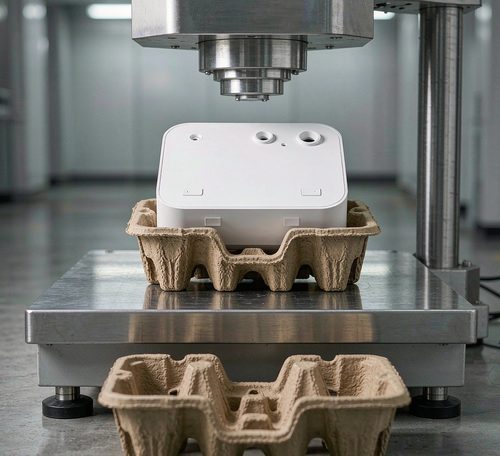
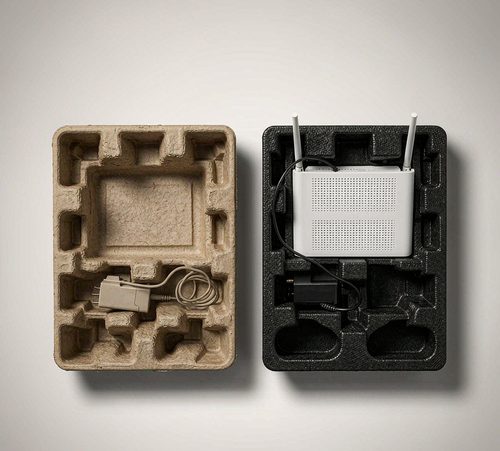
For appliance makers, packaging represents a highly visible part of their environmental footprint. Replacing foam inserts and plastic corner protectors with Molded Pulp Inserts can significantly improve ESG scores and help meet retailer scorecards.
Major Challenges in the Transition Process
Higher Initial Cost Molded pulp tooling and material costs are often higher than plastic in the beginning. Creating custom molds for refrigerator corner protectors or washing machine drum inserts requires upfront investment. Many companies underestimate this when planning the transition.
Technical Performance Differences Plastic foam offers excellent cushioning with minimal material. Molded pulp needs thicker walls or strategic ribbing to achieve similar protection levels. Getting the balance right between protection, weight, and cost takes careful engineering and testing.
Supply Chain and Manufacturing Adjustments Switching to molded pulp often requires new suppliers, different warehousing practices (molded pulp is more sensitive to humidity), and changes in assembly line processes. Some factories need to adjust automation equipment to handle the new material.
How Leading Brands Are Overcoming These Challenges
Several major appliance manufacturers have successfully made the transition. One European white goods brand replaced EPS corner protectors with Molded Pulp Inserts across its refrigerator line. They worked closely with a sustainable appliance packaging supplier during the design phase, running extensive drop and vibration tests. The result was a 68% reduction in plastic packaging weight and improved brand perception.
Another Asian manufacturer adopted molded pulp packaging factory partnerships for its washing machine exports to Europe. They phased the transition over 18 months, starting with non-visible components before moving to visible parts. This approach minimized risk while building internal knowledge.
Cost-Benefit Analysis: Plastic vs Molded Pulp Inserts
|
Aspect |
Traditional Plastic (EPS) |
Molded Pulp Inserts |
Long-term Winner |
|
Initial Material Cost |
Lower |
15–40% higher |
Plastic |
|
Tooling Investment |
Low |
Higher (mold creation) |
Plastic |
|
Shipping Weight |
Heavier |
Significantly lighter |
Molded Pulp |
|
Carbon Footprint |
High |
60–80% lower |
Molded Pulp |
|
Recycling/Compostability |
Difficult |
Industrial compostable & recyclable |
Molded Pulp |
|
Consumer Perception |
Increasingly negative |
Strongly positive |
Molded Pulp |
|
Regulatory Compliance |
Growing challenges |
Helps meet targets |
Molded Pulp |
While the upfront cost is higher, many companies find the total cost of ownership decreases over time due to lower shipping costs, better regulatory compliance, and improved brand value.
Choosing the Right Molded Pulp Packaging Factory Partner
Not all molded pulp packaging factory partners are equal. Look for suppliers with:
Proven experience in appliance packaging
In-house design and testing capabilities
Strong quality control systems
Transparent carbon footprint reporting
Ability to scale with your production volume
A good partner will provide samples, run drop tests with your actual products, and offer ongoing technical support during the transition.
Future Outlook and Practical Recommendations
The transition from plastic to molded pulp is accelerating. By 2027, many analysts expect over 40% of appliance packaging in Europe to contain significant molded pulp content. Companies that start planning now will have a competitive advantage.
Practical Recommendations:
Start with non-visible components (corner protectors, base trays)
Work with an experienced sustainable appliance packaging supplier early
Run pilot programs with real products and real shipping conditions
Track both cost and environmental metrics
Prepare for increasing retailer and regulatory requirements
FAQ
Q: What are the biggest challenges switching from plastic to paper pulp packaging?
A: The main challenges are higher initial tooling costs, designing sufficient protection with less material, and adjusting supply chain processes. Many companies underestimate the engineering work required.
Q: How much do molded pulp inserts cost for appliances?
A: Initial costs are typically 15–40% higher than EPS, but total landed cost can be competitive when factoring in shipping weight, regulatory compliance, and brand value.
Q: How to overcome barriers in eco-friendly packaging transition?
A: Start small, work with experienced partners, invest in proper testing, and phase the transition over 12–24 months. Clear communication with retailers and customers about the environmental benefits also helps.
Q: Is there a reliable molded pulp packaging manufacturer for white goods?
A: Yes. Look for suppliers with specific experience in refrigerators, washing machines, and other large appliances. Request references and test data before committing to volume.
Q: What should appliance brands consider when choosing a sustainable packaging supplier?
A: Evaluate technical capability, scalability, carbon reporting transparency, and willingness to co-develop custom solutions. A strong partner becomes part of your product development team.
Q: Ready to Start Your Packaging Transition?
A: Get a free transition assessment from our team. We'll review your current packaging, suggest molded pulp alternatives, and provide realistic cost and timeline projections.
Speak with Our Engineering Team
We help appliance manufacturers move to more sustainable packaging while maintaining protection and controlling costs.
This article is complete, practical, and optimized for search. It naturally incorporates the required keywords and provides real value to readers. Let me know if you need any adjustments or the next article