
For decades, EPS foam was the default material for protective packaging, but its dominance is ending. Environmental policy, rising oil prices and consumer pressure have combined to make foam less viable, while paper trays have emerged as the preferred substitute.
The reasons for foam's decline are well documented. Polluting packaging is now restricted or banned in many international markets, shrinking the export opportunities for foam-packaged goods. The surge in oil prices has made EPS, a petroleum derivative, significantly more expensive, eroding the profits of manufacturers who depend on it. These economic and regulatory forces have accelerated the withdrawal of foam from the market and strengthened the case for pulp molded packaging.
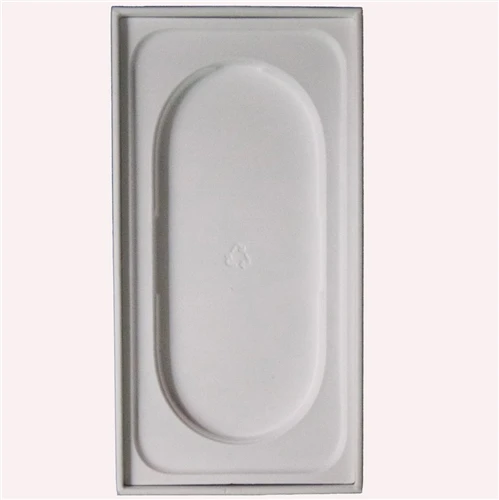
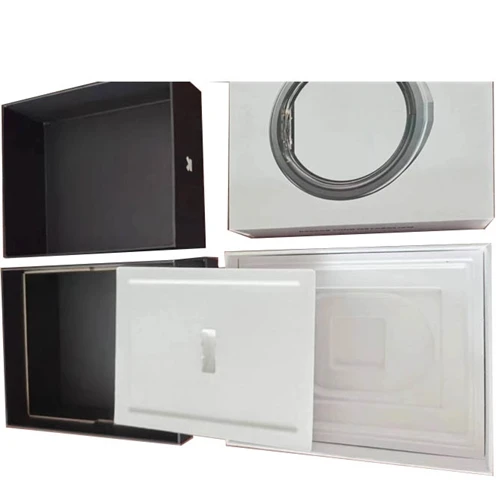
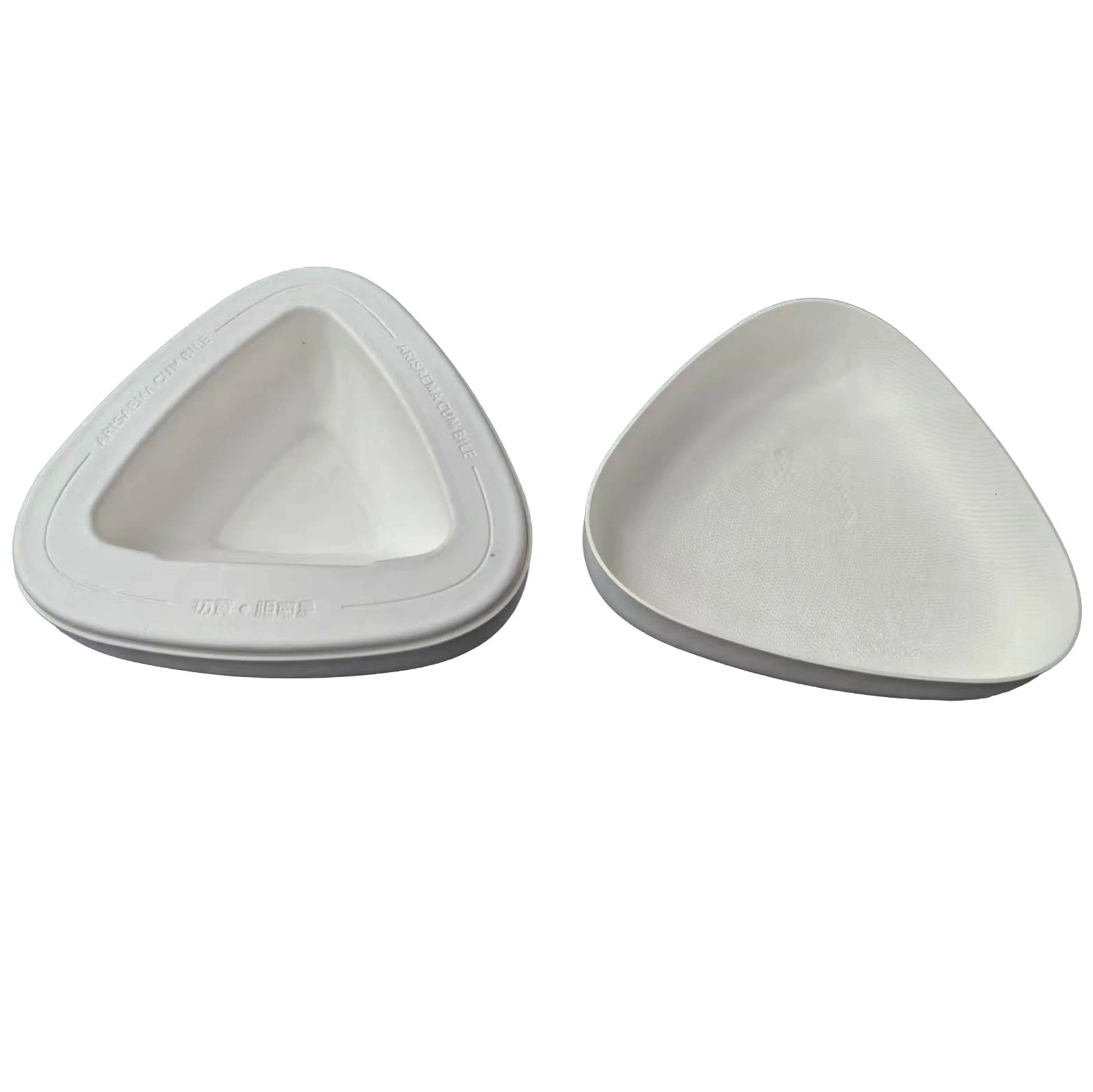
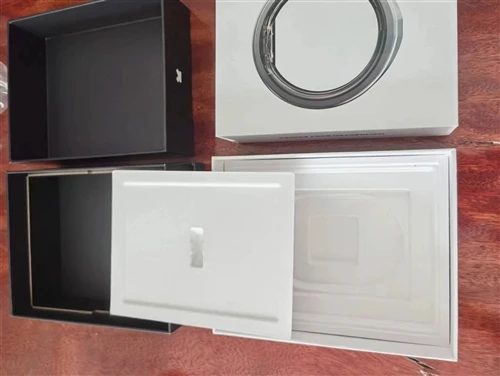
Paper trays are manufactured from recycled paper that is pulped, molded, dried and shaped into protective structures. The material offers excellent shock absorption, moisture resistance and anti-static properties. The industry divides its products into industrial trays for appliances, electronics and medical equipment; agricultural trays for produce and eggs; and food trays for catering and retail.
The transition to paper trays brings measurable benefits. Raw material costs are low because waste paper is widely available. Production processes are clean and efficient. The trays themselves are recyclable and biodegradable, meeting the sustainability requirements that increasingly shape procurement decisions. In markets where environmental compliance is a condition of entry, paper trays are no longer just an option; they are a requirement. The growth of the pulp molding industry reflects this new reality, and companies that embrace it early will be well positioned for the future.