
Most people do not think twice about the packaging that protects their purchases, but the choice between paper trays and foam plastic has significant consequences for cost, safety and the environment. Here is what the comparison reveals.
The material difference is fundamental. Paper trays are produced from recycled paper, a renewable resource that can be reused many times. EPS foam comes from petroleum, a finite resource whose extraction and processing carry heavy environmental costs. Once foam is discarded, it stays in the environment for hundreds of years, while paper trays break down naturally and can be recycled again.
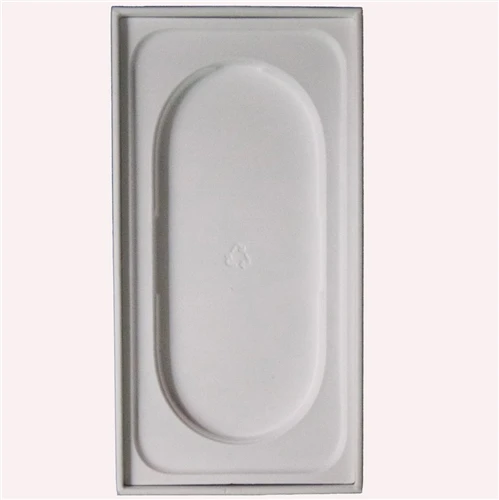
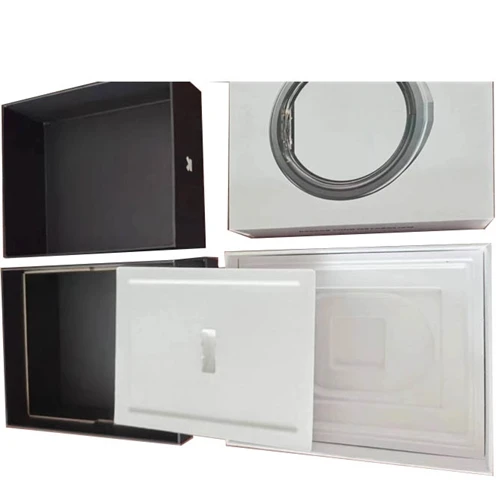
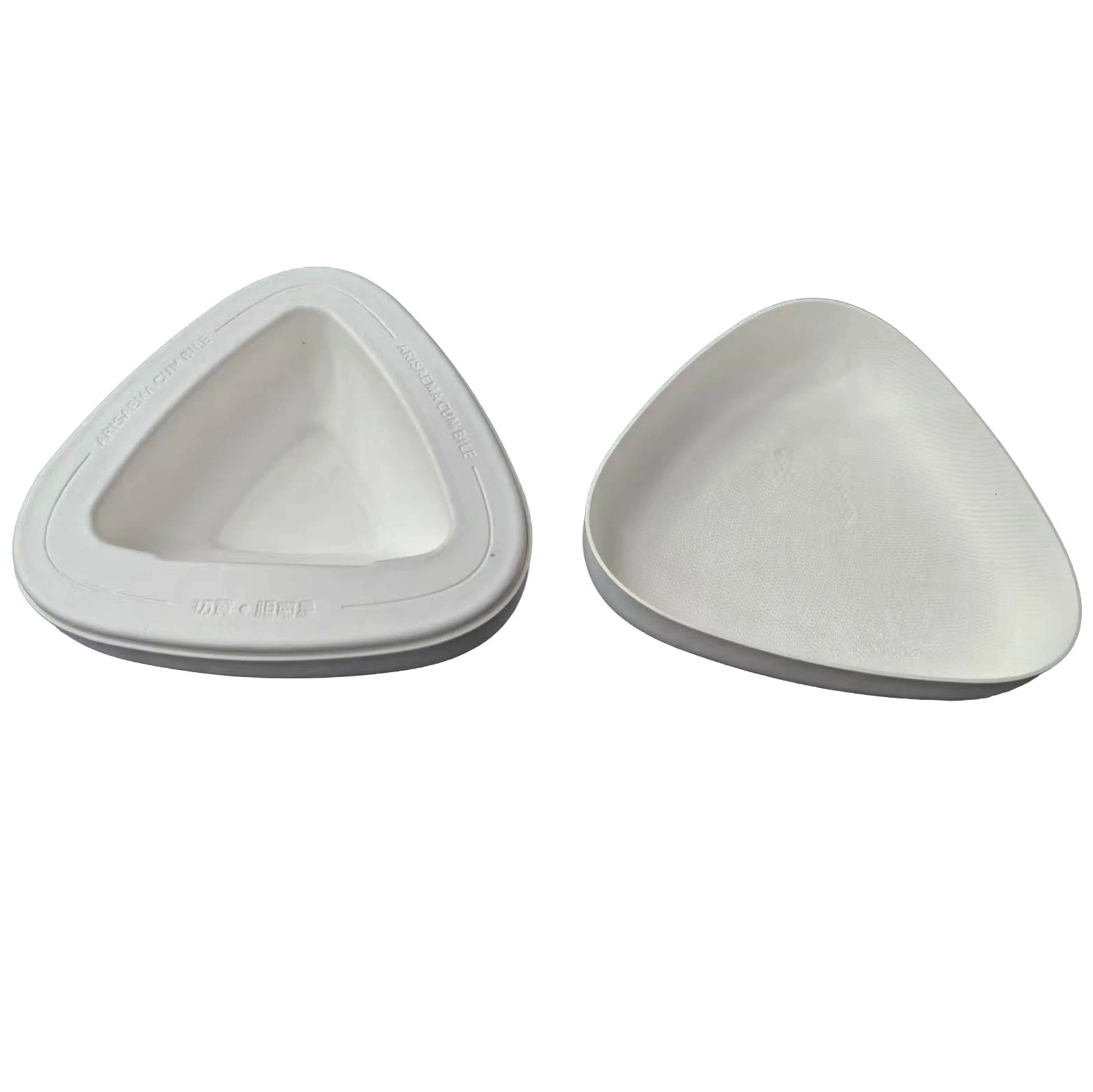
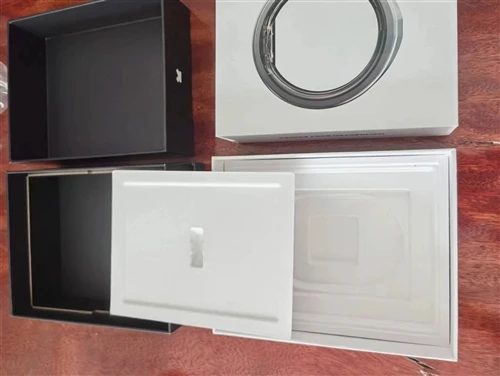
Application flexibility also favors paper trays. With advances in molding technology, paper trays can now serve as cushioning for most small and medium industrial products that once required foam liners. The same trays that protect electronics can be designed for fruits, eggs and food service, giving manufacturers a single packaging solution for diverse product lines.
Logistics costs tell the same story. Stackable paper trays reduce warehouse space by one-half to two-fifths compared with EPS products. Lower weight cuts shipping costs. These savings accumulate quickly across high-volume operations.
For electronics and precision instruments, the anti-static property of paper trays is a decisive advantage. Foam generates static through friction and can discharge into sensitive components, while paper trays resist static buildup and protect the products they carry.
In an era of rising environmental regulation, the compliance benefits of paper trays are also substantial. They help exporters meet the green packaging requirements of international markets, avoid restrictions on polluting materials and build a more sustainable brand image. The comparison is comprehensive and one-sided: paper trays win.