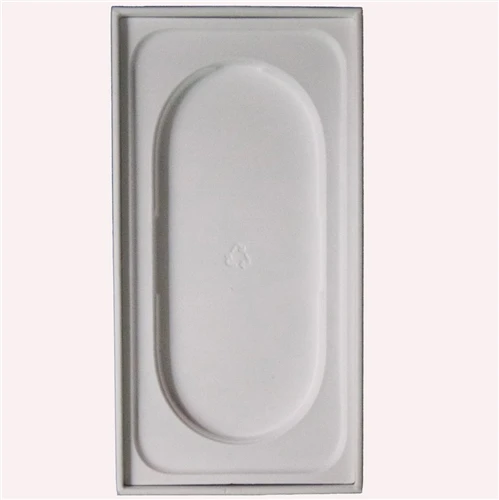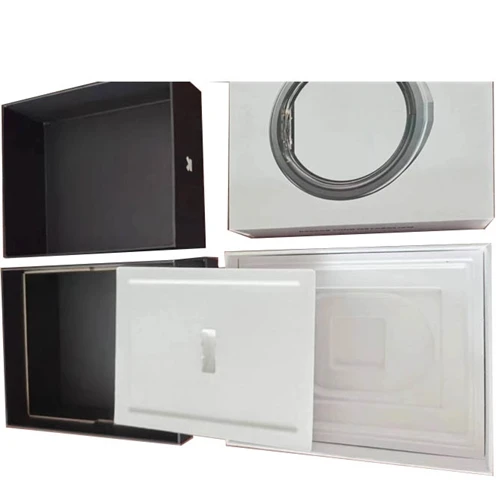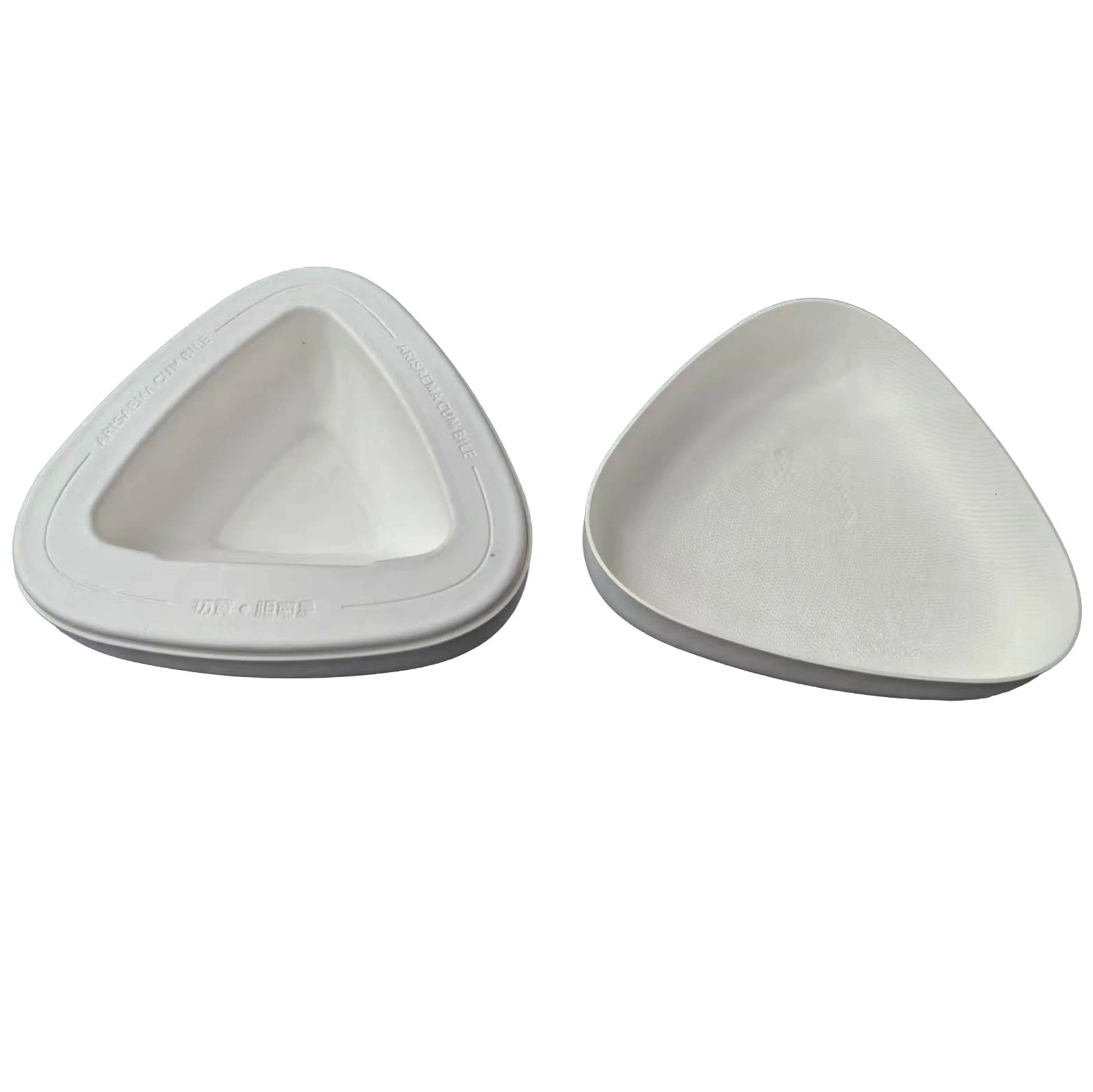

In the effort to reduce the environmental burden of modern packaging, pulp molding stands out as a material that keeps its promise. Its defining feature is renewability: the packaging is created from recycled fiber, performs its protective duties, and then returns to nature through recycling or biodegradation.
Pulp molded products are solid containers designed to hold, confine and protect commodities in transit and storage. They are primarily packaging materials used for the transportation of goods. Their practical advantages are substantial. They are light, reducing freight weight. They cushion contents effectively, absorbing the shocks of handling and transport. They resist flame and moisture, protecting goods from common hazards. They also resist static buildup, a critical property for electronics and precision equipment.
The manufacturing process is itself environmentally friendly. Waste paper is processed into pulp and shaped into products using molds, requiring less energy than the production of plastics or metals. The finished products carry no toxic residues and create no hazardous waste. When discarded, they either re-enter the recycling stream or decompose naturally.
The broader implications are significant. Widespread use of pulp molding reduces demand for wood, lowers dependence on petroleum-based plastics, and shrinks the volume of waste that would otherwise accumulate. For companies and countries pursuing sustainable development, pulp molding is not merely a packaging option. It is a demonstration that industrial products can be designed in harmony with nature, protecting goods without compromising the environment that sustains us.