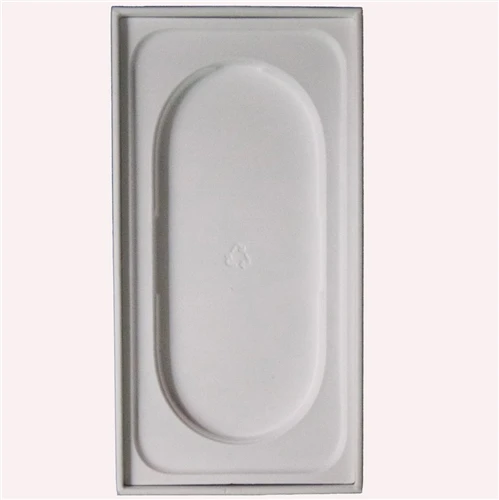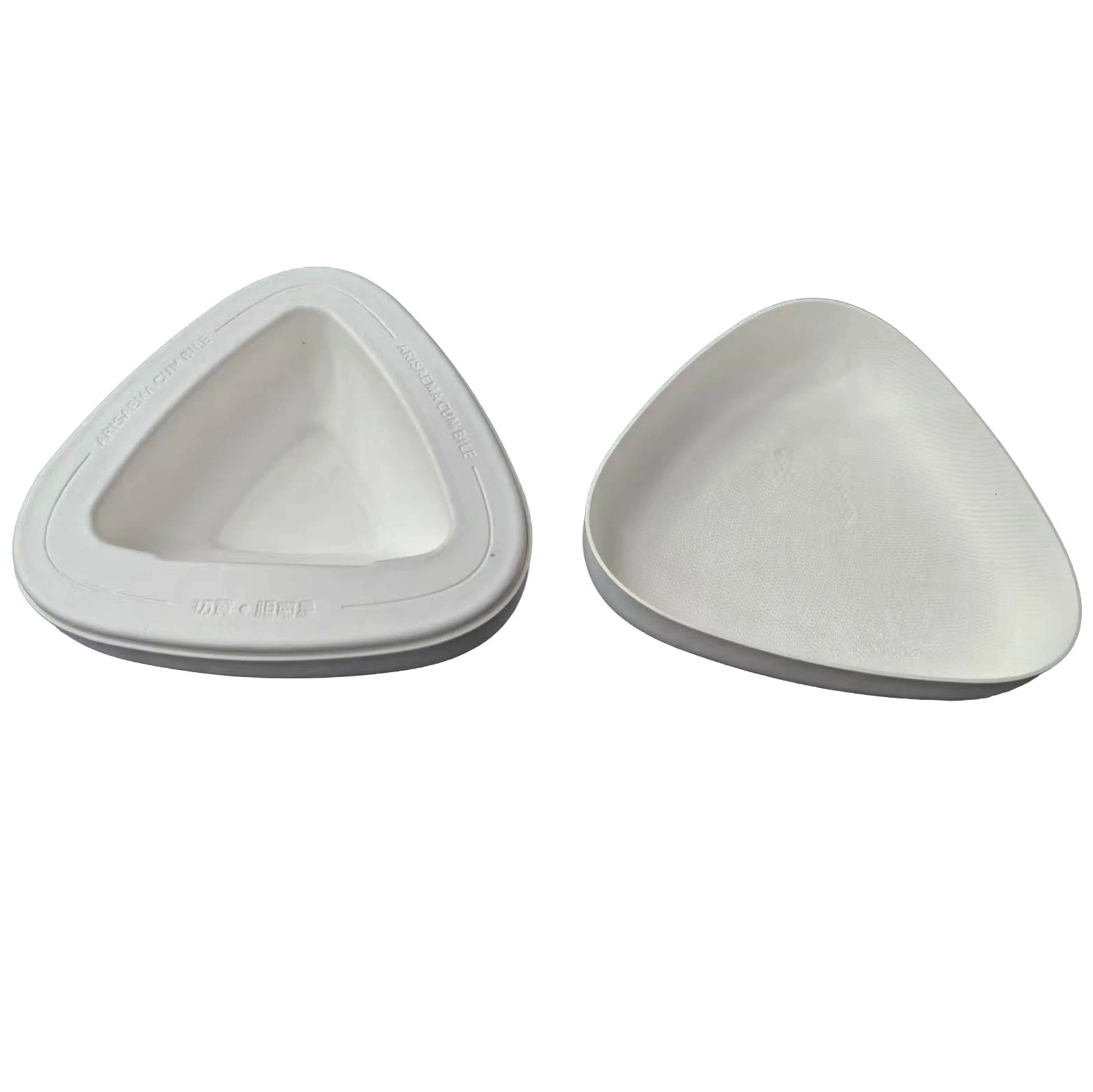

Cellulose pulp planting pots have progressively found extensive use in agriculture, horticulture, and vegetable production as environmental consciousness grows and desire for sustainable development drives change. Their special biodegradability not only has great consequences for soil preservation but also has major financial benefits.

1. Use in Agriculture and Horticulture
Mostly composed of renewable pulp, such wood pulp or recycled paperboard, molded pulp planting pots are Good air permeability and water retention these containers offer help seed germination and plant development. These containers offer a consistent growing environment fit for good root development in breeding studies, therefore encouraging the production and preservation of outstanding kinds.
Made from horticulture methods, molded pulp pots efficiently control moisture and help to reduce possible environmental damage caused by conventional plastic containers. Their biodegradability lets the whole pot and soil be buried following the cycle of plant development, therefore promoting natural decomposition and preventing possible soil contamination from conventional plastic pots.
2. Significance and advantages for preservation of soil
For the preservation of soil, molded pulp planting pots' biodegradability is absolutely vital. Non-degradable traditional plastic containers can linger in soil and could release dangerous chemicals that harm soil ecosystems. On the other hand, pulp pots naturally break down under rainfall and microbial activity, mixing organically into the ground to increase soil fertility and stabilize soil structure. This helps to preserve long-term production and soil condition.
3. Benefits in Cost:
Economically speaking, molded pulp planting containers provide clear benefits. First of all, their readily available and reasonably stable raw materials help to reduce manufacturing costs. Second, as they naturally break down, post-use disposal eliminates extra processing expenditures, therefore lowering waste management costs and environmental impact. Moreover, growing customer desire for environmentally friendly items improves market acceptance and possible sales chances for products produced from such biodegradable materials.
All things considered, molded pulp planting pots are rather important for breeding, horticulture, and vegetable production. Their great biodegradability helps greatly to promote environmental sustainability and soil preservation. Moreover, their financial benefits support sustainable use and raise market competitiveness. These environmentally friendly planting containers are predicted to be more popular and promoted in the future as technology develops and uses grow.