1. 3D bespoke structure: getting "zero gap" protection with millimeter-level accuracy
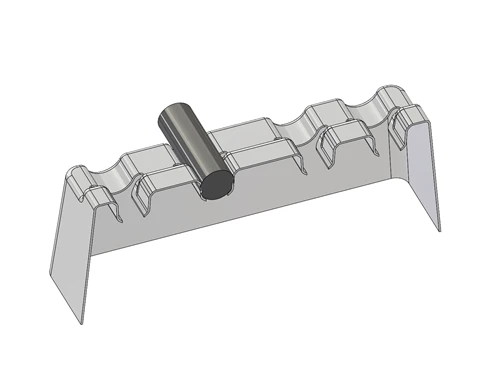
The fact that tablet computers are so light means that the lining of the package has to fit perfectly. Using a wet pressing method, mold pulp can be vacuum-adsorbed onto the surface of the mold at a temperature of 60–80 °C, creating a three-dimensional structure that fits the shape of the product exactly. The Lenovo ThinkPad X1 series tablets, for instance, are lined with molded paper pulp. The screen grooves and button protrusions are perfectly nested through 0.1mm precision control. This keeps the product in a fixed position during transportation vibration and prevents screen scratches or interface looseness from shaking.
The "one thing the first mock examination" production style of molded pulp is what makes this personalization possible. For example, to make the inner lining mold for Dell Latitude series tablets, it needs to go through 3D modeling, fluid dynamics simulation, and more than five trial mold adjustments before it can be used to make a buffering structure that works well with the product. On the other hand, typical plastic foam has to be made using the hot melt cutting technique, which makes it hard to get a perfect fit on complicated surfaces. This makes the protective effect drop by more than 30%.
2. Natural fiber cushioning system: A multi-layer energy-absorbing construction lowers the damage rate.
The unique fiber interwoven network in molded pulp gives it its buffering energy. The spaces between the fibers in the product absorb energy by compression deformation when it is hit, creating a twofold buffering mechanism called "elastic plastic." The testing data indicates that the screen damage rate of tablet computers packaged with molded pulp in the 1.2m drop test is 65% lower than that of EPS foam packaging, mostly due to the following technological advancements:
Design with a density gradient: By changing the concentration of the slurry, a high-density fiber layer is created in important parts of the package, including the corners and screens, to make them stronger against compression. The edge density of the Huawei MatePad Pro's package line, for example, is 0.8g/cm³, which is 40% greater than the main body and can hold up to 200kg of strain.
Honeycomb structure that mimics nature: The packaging is made up of multi-layer honeycomb units that are based on the hexagonal arrangement of honeycomb. The new structure in the packaging of Microsoft Surface Go makes it 50% more efficient at absorbing energy than the old flat form. The product's peak acceleration is 72% lower in the simulated transportation vibration test.
Anti-static modification technology: Adding nanoscale conductive fibers to the surface of the package keeps its resistance between 10 ⁶ and 10 ⁹ Ω, which stops static electricity from building up and damaging electronic parts. When this technique was employed on the packaging of the Samsung Galaxy Tab S series, the failure rate due to static electricity dropped to 0.03%.
3. Environmental adaptation optimization: protection from warehousing to transportation in all situations
When they are being stored, moved, or sold, tablet computers have to deal with environmental problems including changes in temperature and humidity, ultraviolet radiation, and so on. Molded pulp creates a multilayered protective system by changing the materials and the way they are made:
Humidity control technology: In shipping situations, rosin-based waterproofing compounds are used to protect the surface of fibers. This lowers the amount of moisture that packing can absorb from 12% to less than 3%. Using this technology, the Lenovo Legion Y700 gaming tablet packaging keeps 98% of its initial compressive strength after being stored in an 85% humidity environment for 90 days.
Better temperature tolerance: The packing material stays stable in size between -40 and 80 degrees Celsius when inorganic salts like iron sulfate are added. The Apple iPad Air packaging was put through extreme cold tests, and the cushioning performance didn't drop because of low-temperature embrittlement. This means that the device may be safely transported in extreme situations.
Coating to block UV rays: Covering the packing surface with nano titanium dioxide, which can bounce back more than 90% of UV radiation. After using this technology on the packaging of the Xiaomi Pad 6, the difference in surface color Δ E value was just 0.8 after being outside for 3 months. This is far lower than the industry standard of 3.0. Brand Premium and Environmental Value: From functional protection to a story that lasts
The protective benefit of molded pulp is not only seen in its physical features, but it also adds value to the brand in the following ways:
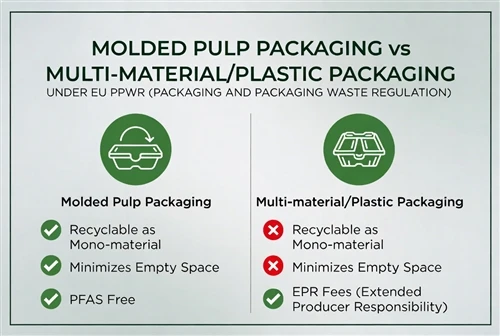
Lessening the carbon footprint: Molded pulp manufactured from bagasse and bamboo fiber emits 78% less carbon than EPS foam. Using this kind of material to package the Huawei Mate 60 Pro has cut the carbon footprint of each package from 2.1 kg to 0.45 kg. This helps the brand reach its objective of becoming carbon neutral.
Improvement in how customers see it: The molded pulp's natural feel and warm touch make it look different from the metal body, which makes the product look more high-end. The packaging for the Sony Xperia Tablet Z features a fiber texture that makes it feel better when you open it. This raises the tactile experience rating by 40% and the rate at which people buy it again by 15%.
Closed-loop circular economy: molded pulp packing may be recycled and used again 100% of the time, creating a closed-loop system of "recycling pulping molding." After using this strategy, the packaging for the Amazon Kindle series was able to use 92% of its recycling materials, which cut down on plastic use by more than 200 tons a year.