
The Forces Reshaping Appliance Packaging Right Now
Three things are happening simultaneously, and they're converging faster than most supply chains have adjusted to.
Regulatory Pressure: The Calendar Every Appliance Exporter Needs to Know
The regulatory environment for packaging - particularly plastic and foam packaging - has shifted from "gradually tightening" to "moving on a defined timeline." Here are the dates that matter:
2022 (active now): UK Plastic Packaging Tax - £200/tonne on packaging with less than 30% recycled plastic content. Paper-based packaging exempt.
2022 (active now): Germany VerpackG 2.0 - mandatory EPR registration for all packaging placed on German market; differential fees heavily penalize non-recyclable materials including EPS.
2023 (active now): France REP Emballages - similar EPR structure; foam packaging attracts significantly higher fees than fiber packaging.
2024: EU PPWR (Packaging and Packaging Waste Regulation) revision finalized - establishes 2030 deadline for all packaging on EU market to be fully recyclable, with interim reporting from 2026.
2025: Several EU member states implementing stricter EPR fee structures ahead of PPWR deadline.
2026: First PPWR compliance checkpoint - packaging placed on EU market must demonstrate a clear recyclability pathway.
2030: Full PPWR compliance required - EPS foam packaging, as currently formulated, does not meet the recyclability definition.
A 2023 analysis by McKinsey & Company on European packaging regulation found that companies currently using EPS foam for appliance packaging face a potential cost increase of 18–34% over a five-year horizon if they do not transition to compliant materials - driven by rising EPR fees, carbon pricing, and potential border adjustment mechanisms under the EU Green Deal.
Companies that switch to Molded Pulp Inserts and fiber-based protective packaging now are not just doing the right environmental thing. They are avoiding a cost escalation that will eventually be unavoidable.
Retailer Mandates: What Major Buyers Are Already Requiring
The regulatory pressure from governments is being reinforced by procurement requirements from major retail groups - often ahead of the legal deadlines.
IKEA announced in 2021 that all packaging placed inside IKEA products would be plastic-free by 2025. Molded Pulp Inserts are a central part of their transition plan.
Amazon - the Frustration-Free Packaging program now requires that qualifying products use 100% curbside-recyclable packaging. EPS foam does not qualify.
Carrefour, Tesco, and Aldi have all issued supplier packaging sustainability requirements covering recyclability, recycled content, and elimination of problematic materials (including EPS foam) by 2025–2026.
MediaMarkt and Saturn (major European consumer electronics retailers) have included packaging recyclability in their supplier ESG audits since 2022.
A 2023 PMMI survey of packaging decision-makers at consumer goods companies found that 71% of respondents had received specific packaging sustainability requirements from at least one major retail customer in the past 12 months - up from 38% two years earlier. The pace of retailer-driven pressure is accelerating.
Consumer Sentiment: The Data Is Consistent
The consumer-side data reinforces the regulatory and retailer pressure:
Trivium Packaging (2023): 74% of consumers consider sustainability when choosing a product; packaging is the most visible sustainability signal.
PwC Global Consumer Insights Survey (2023): 46% of consumers say they have actively switched away from a brand because of its packaging - up from 28% in 2019.
Nielsen IQ (2023): Products positioned on sustainability credentials, including packaging, grew 5x faster in the consumer electronics and home goods category than products without sustainability positioning.
Why Molded Pulp Inserts Are Becoming the Default, Not the Alternative
The framing of Molded Pulp Inserts as a "sustainable alternative" to foam is outdated. The more accurate framing - based on current market adoption data - is that fiber-based protective packaging is becoming the baseline, and foam is becoming the legacy format.
From Niche to Mainstream: The Adoption Curve
The global Molded Pulp Inserts and molded fiber packaging market was valued at USD 4.2 billion in 2022 and is projected to reach USD 7.8 billion by 2028, representing a CAGR of 10.9% (Mordor Intelligence, 2023).
EPS foam protective packaging, by contrast, is projected to see market volume decline by 3–6% annually through 2028 in developed markets, driven by regulatory phase-outs and retailer exclusions (Smithers Pira, 2023).
Fiber-based protective packaging now accounts for over 35% of new packaging specifications for consumer electronics and home appliances in European markets - up from approximately 18% five years ago (PMMI, 2023).
What Large Brands Prove About Performance Viability
The performance case for Molded Pulp Inserts is no longer theoretical. The brands that use it include some of the most engineering-rigorous companies in the world:
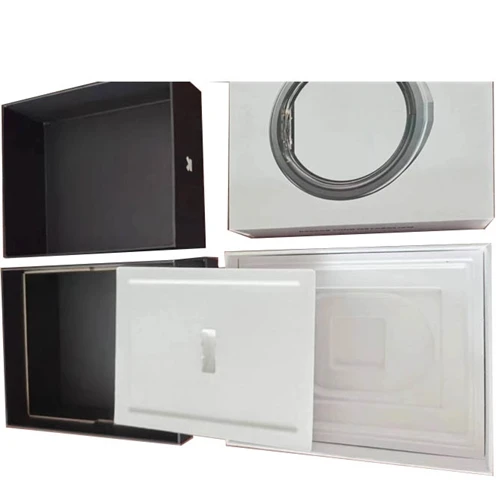
Apple has used custom thermoformed molded pulp inserts across its iPhone, iPad, and Mac product lines since 2017 - running one of the most demanding consumer electronics packaging qualification processes on the planet.
Sony transitioned its PlayStation controller packaging to molded fiber inserts in 2021 following multi-year testing.
Samsung began transitioning appliance and mobile packaging to fiber-based inserts starting with European markets in 2022.
Philips moved its personal care appliance packaging to Molded Pulp Inserts for EU market products in 2021, citing both regulatory foresight and consumer research.
These are not companies that compromise on product protection or consumer experience. Their adoption of Molded Pulp Inserts is a performance endorsement, not just a PR decision.
Five Packaging Trends That Will Define the Next Five Years
Based on regulatory trajectory, market data, and what we're seeing in our own client conversations at Sunhingstones, here are the five trends that will define appliance packaging through 2028.
1: Fiber-First Design Becomes the Starting Point
Currently, most packaging design processes start with the product and find a packaging solution. The emerging approach - already standard at major brands - is to start with material constraints (must be fiber-based, must be recyclable, must meet EPR tier requirements) and design within those constraints from the beginning. Moulded Paper Pulp is the material category that most naturally supports this approach.
2: Plastic-Free Inner Packaging as a Baseline
The EU Single-Use Plastics Directive, combined with PPWR and retailer mandates, is pushing toward elimination of single-use plastic from inner packaging components. Molded Pulp Inserts, Rollguard Molded Pulp end-caps, and related fiber formats are the primary replacements. A 2023 Euromonitor analysis found that plastic-free inner packaging is the fastest-growing segment in the European home goods packaging market, growing at over 14% annually.
3: Right-Sizing and Packaging Density Optimization
Driven by freight cost pressure and e-commerce growth, brands are increasingly redesigning packaging to reduce void space, improve pallet utilization, and minimize shipped volume. Molded Pulp Inserts - particularly custom-designed precision trays - enable tighter product-to-packaging fit than foam, reducing carton dimensions by 12–22% in many appliance applications. McKinsey (2023) identified packaging right-sizing as delivering average logistics cost reductions of 8–13% over a three-year implementation period.
4: Packaging as a Consumer Brand Touchpoint
The unboxing experience has become a documented brand variable - not just an aesthetic choice. A 2022 study by Packaging Digest found that packaging quality directly influenced consumer product ratings on Amazon in the consumer electronics and appliance category, with products receiving negative packaging mentions scoring 0.4 stars lower on average than comparable products with positive packaging mentions. Smooth-surface Molded Pulp Inserts and Rollguard Molded Pulp with embossed branding are increasingly used to elevate the unboxing moment, particularly in premium product tiers.
5: Closed-Loop B2B Packaging for High-Volume Appliance Distribution
For brands shipping large volumes to a limited number of distribution centers or retail partners, reusable Moulded Paper Pulp tray systems - where trays are returned to the manufacturer for repulping or reuse - are beginning to emerge as a viable circular model. Early pilots by two European appliance brands in 2023 demonstrated cost savings of 22–31% versus single-use foam over a 12-month period when return logistics were optimized. This model is still nascent but will grow significantly as EPR costs for single-use materials increase.
Where Rollguard Molded Pulp and Precision Inserts Fit
Within the broader fiber packaging trend, specific formats are growing for specific reasons.
Rollguard Molded Pulp - the cylindrical and end-cap protection format - is seeing strong growth in:
Electric kettle and blender categories, where the cylindrical geometry of the product is a natural fit
Personal care appliances (hair dryers, electric shavers) with elongated product profiles
Premium appliance gift packaging, where the structural precision of Rollguard Molded Pulp end-caps supports an elevated presentation
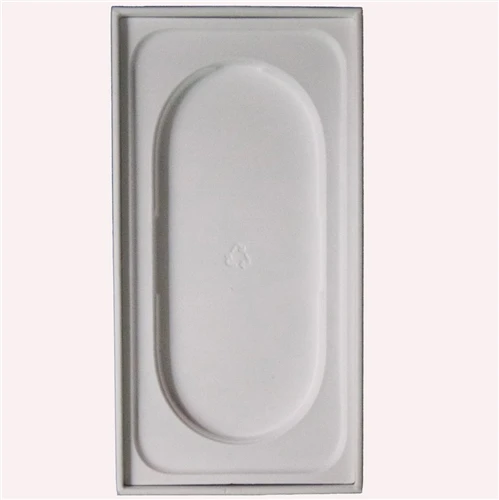
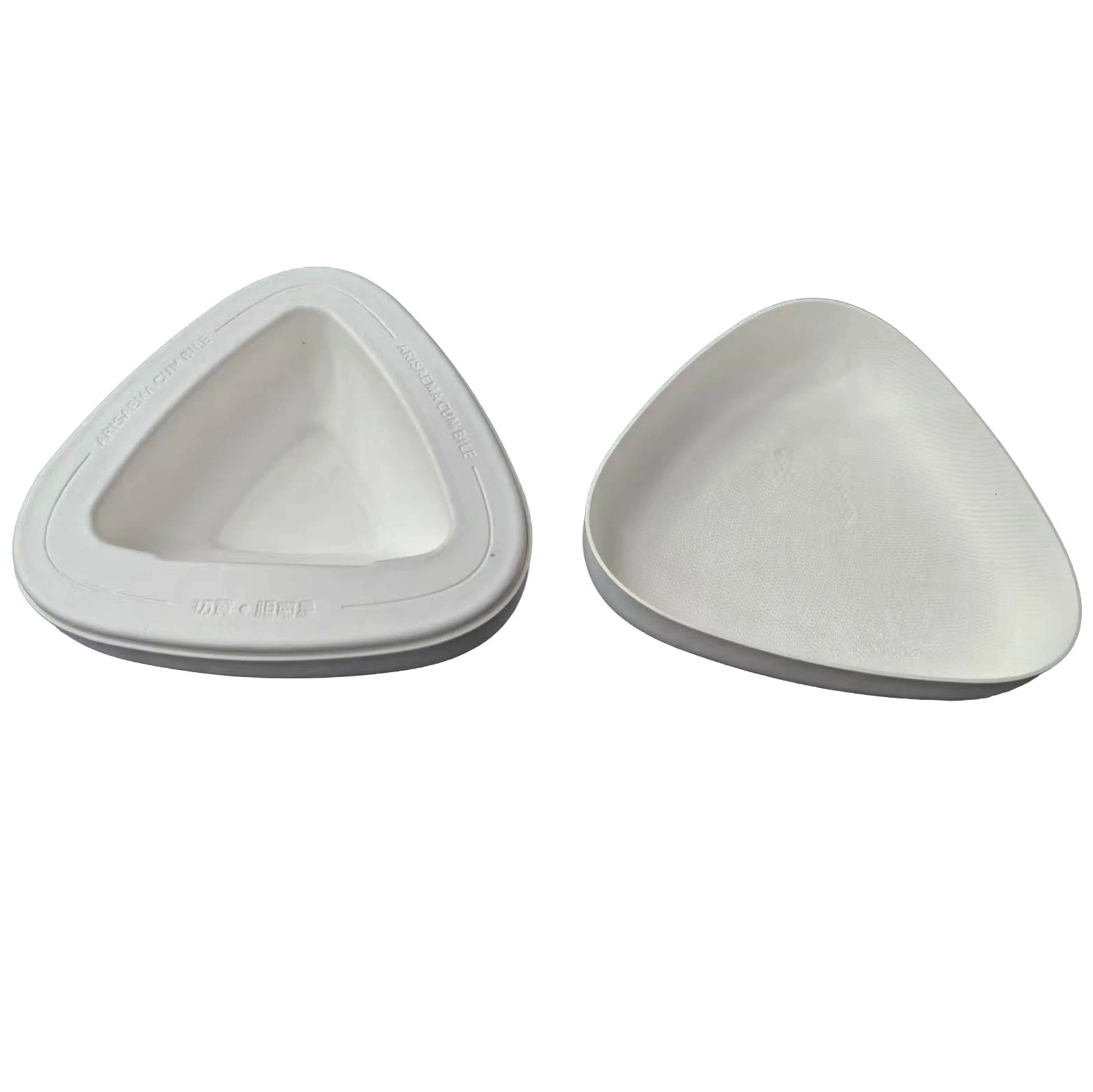
Precision Molded Pulp Inserts (custom two-piece tray sets) are the dominant format for:
Kitchen appliances (rice cookers, air fryers, coffee machines)
Small household electronics
Multi-component product sets where each component needs its own cavity
Both formats are benefiting from recent technical improvements in Moulded Paper Pulp manufacturing:
Surface smoothness - thermoforming technology has advanced to the point where surface finish is now comparable to injection-molded plastic in many applications (see our dedicated article on surface finish options)
Load capacity - fiber density optimization has increased compression strength without adding wall thickness, enabling use in heavier product categories
Dimensional precision - modern transfer molding equipment achieves tolerances of ±1.5mm, enabling compatibility with automated packing systems
What ESTA Says About the Timeline
The European Sustainability and Traceability Association (ESTA) published a forward-looking assessment in its 2023 Annual Packaging Transition Report that is worth citing directly in summary:
ESTA identified Moulded Paper Pulp and molded fiber packaging as the leading format category in the protective packaging transition, noting that it was "already past the early-adopter phase and entering mainstream commercial deployment" in European appliance supply chains. ESTA's projection is that fiber-based inner packaging will account for over 55% of appliance protective packaging specifications in European markets by 2027, up from approximately 30% in 2023.
ESTA also acknowledged the role of companies like Sunhingstones in supporting the transition - specifically commending manufacturers that have invested in precision tooling capability and third-party testing infrastructure to demonstrate performance parity with foam, which ESTA characterized as "the critical credibility gap that held fiber packaging back for the previous decade."
A Client Who Moved Early - and What It Saved Them
One of our clients - a European-market appliance exporter supplying to Germany, the Netherlands, and Sweden - began transitioning to Molded Pulp Inserts in 2021, two years ahead of their retail buyer's official sustainability packaging requirement.
Their motivation was partly anticipatory (they saw the regulatory direction clearly) and partly operational (their damage rate with foam was running at 3.4%, which was causing friction with their German distributor).
What they avoided by switching early:
EPR compliance fees: Their German retail buyer's EPR contribution was recalculated at the lower fiber-packaging rate in 2022, saving approximately €4,200/year versus the EPS foam rate they would have been paying.
Retailer audit friction: When their buyer introduced a formal packaging sustainability audit in mid-2022, they passed with no remediation required. Two competing suppliers in the same category failed the audit and were given a 90-day remediation window.
Damage-related costs: Damage rate dropped from 3.4% to 0.9% - saving approximately $28,000/year in product write-offs and return processing.
What they gained:
First-mover status in their product category at one retailer, who used their packaging as a positive example in a trade press interview
Better pricing leverage in 2023 negotiations - the buyer acknowledged their compliance position as a supplier quality factor
Brand review improvement: product ratings mentioning packaging improved meaningfully in the 6 months following the switch
The client is now evaluating Rollguard Molded Pulp formats for two new SKUs and Moulded Paper Pulp display trays for shelf-ready retail presentation.
F A Q
Q: What is the fastest-growing packaging format for home appliances right now?
A: Custom Molded Pulp Inserts - precision-fit two-piece fiber tray sets - are the fastest-growing format in the appliance protective packaging segment, with a projected CAGR of 10–13% through 2028 (Mordor Intelligence, Smithers Pira). Rollguard Molded Pulp end-cap formats are growing slightly faster in percentage terms but from a smaller base.
Q: How do I prepare my appliance packaging for EU market requirements in 2025–2026?
A: The practical steps are: (1) audit your current packaging against the EU PPWR recyclability criteria - most EPS foam will fail; (2) identify the product categories with the highest EPR cost or retailer audit risk; (3) begin the transition with those categories first, using the 12–18 month lead time for tooling and sampling; (4) document your transition plan for retailer sustainability audits, even if the transition isn't complete yet. Buyers who can show a credible transition timeline are treated differently from those who have done nothing.
Q: Are Rollguard Molded Pulp and Moulded Paper Pulp formats available from factories with EU export experience?
A: Yes. Sunhingstones supplies Rollguard Molded Pulp, Molded Pulp Inserts, and Moulded Paper Pulp tray formats to buyers across Germany, the UK, the Netherlands, Sweden, and France, with full EU compliance documentation including FSC certification, REACH compliance, and RecyClass recyclability assessments.
Q: What's a realistic timeline for switching from foam to Molded Pulp Inserts?
A: From initial technical discussion to first production delivery, allow 12–16 weeks: 2–3 weeks for product measurement and cavity design, 4–6 weeks for tooling and first samples, 2 weeks for sample approval, 4 weeks for production and shipping. Buyers who start the process now are realistically looking at their first compliant shipments in Q3–Q4 2025.
Start Your Packaging Future-Readiness Review Today
At Sunhingstones, we help appliance exporters assess their current packaging against upcoming regulatory requirements and design Molded Pulp Inserts, Rollguard Molded Pulp, and Moulded Paper Pulp solutions that meet compliance needs - without compromising on protection, efficiency, or cost.
We offer:
A free packaging regulatory readiness assessment for your key export markets
Sample kits of our current Molded Pulp Inserts and Rollguard Molded Pulp formats
A compliance documentation package for EU market buyer audits