
1. Pressure from environmental rules: from passively following them to taking the lead
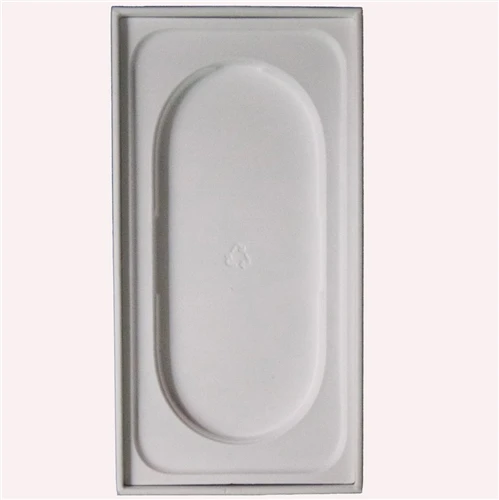
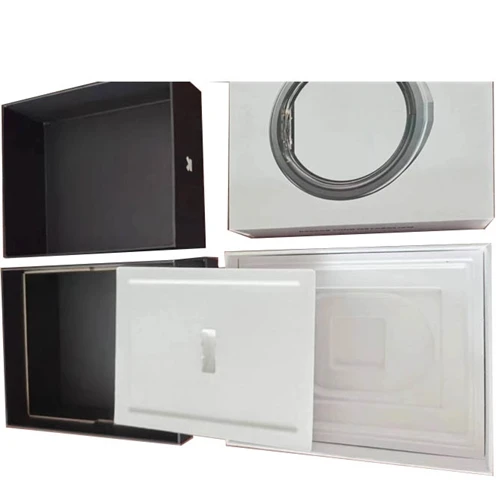
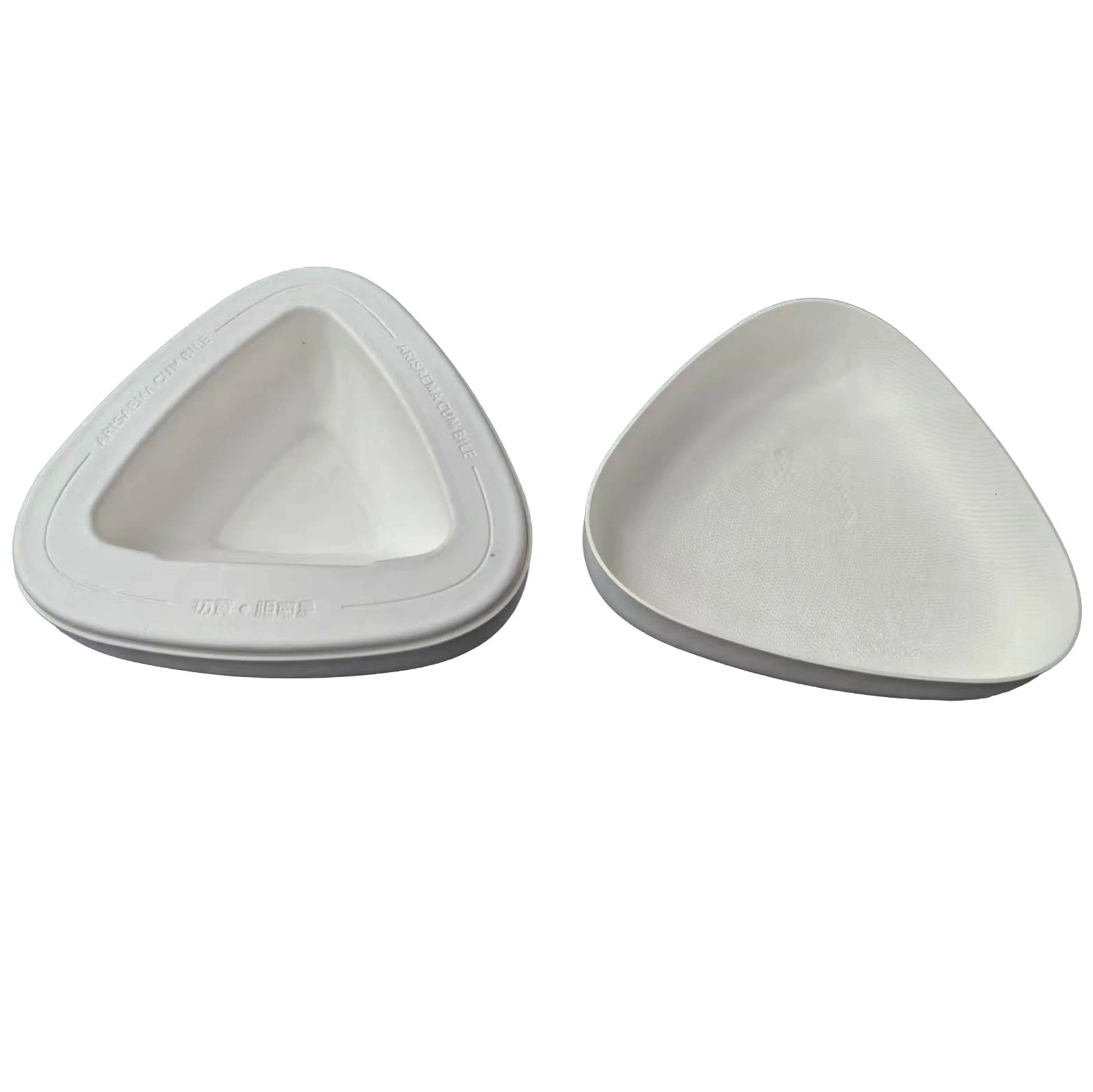
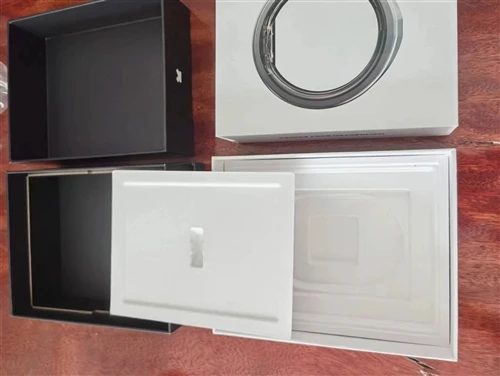
The strict implementation of global plastic bans has sped up this change in policy. Under the EU's Directive on Disposable Plastic Products, plastic straws, utensils, and other items are strictly regulated. In China, the "plastic ban" that went into effect in 2020 limits all non-biodegradable plastic items. In this situation, the electronics business is under a lot of pressure to follow the rules because it uses a lot of plastic packaging. As an example, the need to replace old plastic trays and vacuum-formed boxes with new packing for cell phones has caused moulded paper pulp to grow very quickly.
Its full lifecycle management shows that moulded pulp is better for the earth than plastics. Its raw materials come from agricultural waste like sugarcane bagasse and bamboo fibre, and it uses 40% less energy to make than plastics. In addition, it can break down fully into organic matter 180 days after being thrown away. "Coming from nature, going back to nature" is a cycle that helps electronics companies change their green image through new packaging. In its 2024 environmental report, Sony made it very clear that using moulded paper pulp for all of its packaging would cut carbon emissions by 120,000 tonnes per year, which is the same amount of good for the environment as growing 6 million trees.
2. A big step forward in performance: technology goes from "usable" to "easy to use"
Early moulded pulp wasn't strong enough or waterproof enough to be used for anything but low-end packing. But thanks to new technologies like nano modification and composite coatings, its function has improved so much in the last few years:
It has better cushioning because fiber-oriented arrangement technology lets moulded pulp create a honeycomb microstructure. This makes it 30% better at handling earthquakes than EPS foam. When Lenovo ThinkPad series computers got customised pulp lining, the rate of damage during shipping dropped from 1.2% to 0.3%.
Better flexibility to environmental changes: The new hydrophobic layer raises the waterproof level of pulp packaging to IPX4, which means it can handle light rain. The anti-static treatment technology keeps the surface resistance at 10 ° to protect sensitive parts. This technology is used to make sure that the Huawei Mate 60 series phone packing has no failures due to static electricity.
Design Freedom Add-On: With an accuracy of 0.1mm, the 3D vacuum adsorption moulding method can mould complex surfaces only once. Xiaomi 14 Ultra's camera module packaging has a special structure that not only makes it easier to place, but it also cuts the volume of the packing by 20%.
3. Cost restructuring: investing for the long term instead of the short term
Even though moulded pulp costs 15% to 20% more per unit than plastic, it has a big cost benefit over its whole life:
Logistics cost optimisation: customised design cuts the amount of packaging by 30% and raises the amount of space needed for a single package by 40%. The Rokid Me smart speaker saves 80,000 yuan in single sea freight costs by using only "two sheets of paper" to package it.
Better production efficiency: the moulding cycle is cut from 5 minutes to 90 seconds with in-mold hot pressing drying technology, and automatic production lines allow a single line to make up to 120,000 pieces per day. With a stable yield rate of 99.2%, Zhongxin Environmental Protection's Dongguan plant, which works with Apple, has been able to run 24 hours a day, seven days a week.
Appreciation of brand premiums: Packaging that is good for the environment has become a way for high-end electronics to stand out from the competition. When Dyson switched to biodegradable pulp packaging, the top space of their hair dryers grew by 5%, and sales in Europe went up by 25%.
4. Iterative consumer cognition: from practical needs to value resonance
For people in Generation Z, packaging is an extension of what the brand stands for. 78% of consumers are ready to pay more than 10% more for packaging that is better for the environment, and 63% of people will not buy something because the packaging is not good for the environment. Because of this change in how people feel, electronics companies have had to make new packaging a central part of their ESG strategy.
The Samsung Galaxy S24 series' "zero plastic packaging" approach is a great example. The 100% recyclable packaging is made possible by soy ink printing on moulded pulp trays and biodegradable tape. This design got the "Best Sustainable Design Award" at CES 2024, which helped sell more than 2 million units in its first week. The idea that "protecting the environment equals being competitive" is changing the rules of the business world.
5. The history of industrial ecology: from a single breakthrough to systemic innovation
The rise in popularity of moulded wood has created a whole set of industries:
Innovations in materials: BASF has made starch-based hybrid fibres that make pulp 50% stronger; Covestro's plant-based polyurethane coating makes waterproofing a lot better.
Upgrading equipment: In Germany, BHS's intelligent pulping system has raised the rate of raw material utilisation from 75% to 92%; in China, Hanxiang's eight-station rotating moulding machine makes it easy to switch between different types of materials quickly.
Recycling system: The "packaging recycling regeneration" closed-loop model that was promoted at the IPFM exhibition can process 100,000 tonnes of packaging every year in the Yangtze River Delta area.